One Request. One Expert. One Quote.
Skip the generic catalog. Share your project needs and we'll match you with the right hinge solution – standard or custom – with pricing and samples ready. Your quote is just a click away.

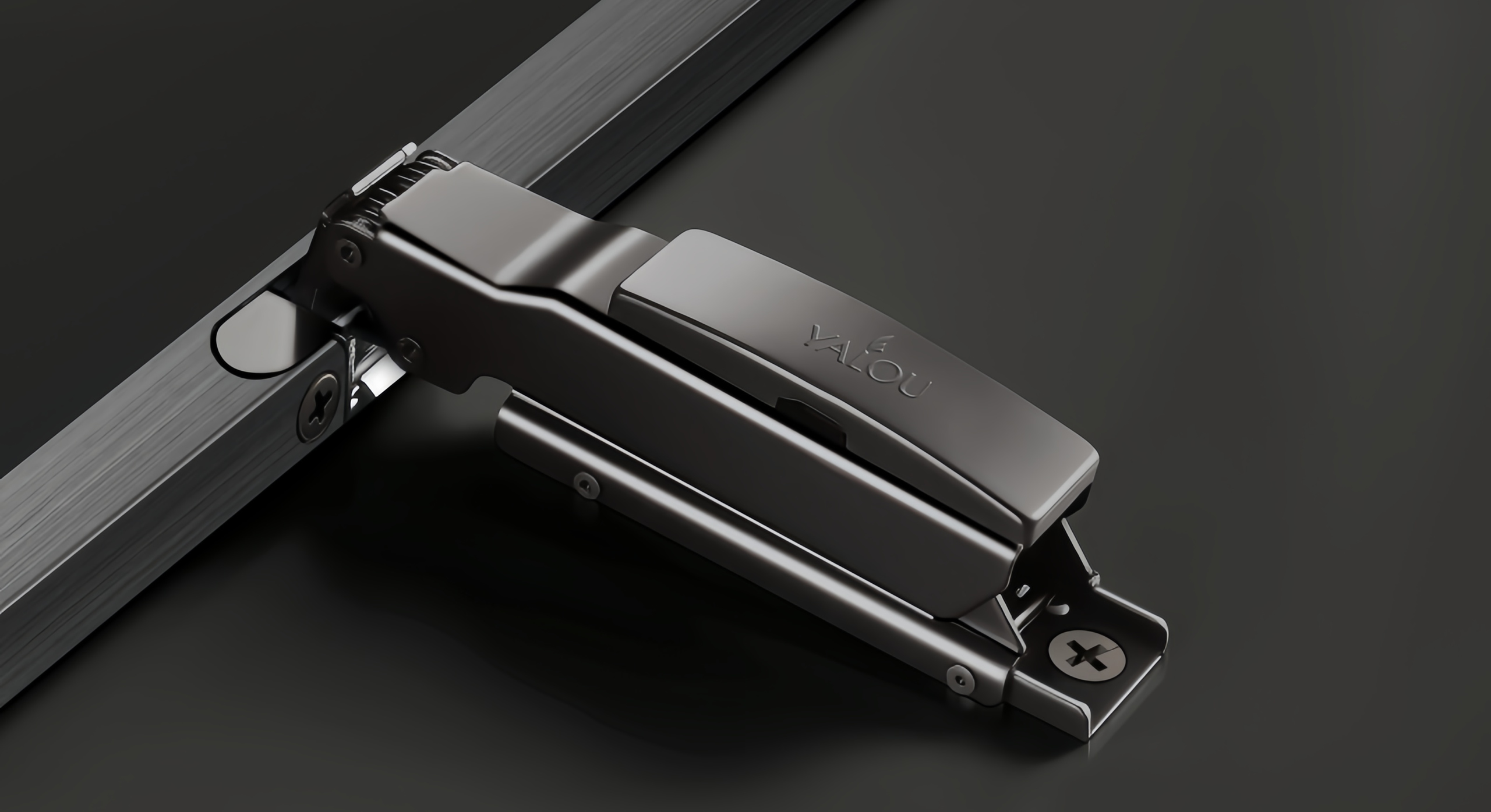
In an era where interior design is defined by personalization, spatial optimization, and architectural creativity, the Special-Angle Hinge has emerged from a niche product category into a strategic component for furniture brands and cabinet manufacturers worldwide. No longer limited to corner cabinets, these versatile hardware solutions are now enabling groundbreaking designs across residential, commercial, and hospitality sectors.
At YALANG METAL, we combine deep manufacturing expertise with market intelligence to help our partners navigate this evolving landscape. This article examines the key trends shaping the special-angle hinge market, recent product innovations, and strategic considerations for global sourcing.
Several macro-trends are contributing to the growing demand for special-angle hinges across global markets.
Urbanization continues to drive smaller living spaces, particularly in metropolitan areas across Asia, Europe, and North America. Homeowners and interior designers are seeking creative ways to maximize every square meter.
Corner Utilization: Special-angle hinges make corner cabinets functional rather than wasted space. A 135° hinge allows full access to blind corners, transforming dead zones into valuable storage.
Custom Built-ins: From window seats to alcove shelving, angled doors integrated into custom millwork require hinges that accommodate non-standard geometry.
Kitchen Islands and Breakfast Bars: Angled cabinets integrated into these features demand hinges that support varied opening angles while maintaining a clean aesthetic.
In the premium furniture segment, design differentiation is essential. Special-angle hinges enable:
Seamless Angled Fronts: Cabinets with faceted or angled front panels (often seen in contemporary European-style kitchens) rely on special-angle hinges for correct alignment.
Soft-Close Technology: The integration of soft-close dampening mechanisms into special-angle hinges has become an expected feature in high-end cabinetry, rather than a luxury upgrade.
Minimalist Hardware: Concealed special-angle hinges that remain invisible when the door is closed align with the growing minimalist aesthetic trend.
Non-traditional living and mobile environments require custom solutions:
Space Constraints: In RVs and boats, every inch counts. Angled cabinets allow for irregular wall contours, and special-angle hinges make these functional.
Vibration Resistance: Special-angle hinges designed for mobile applications include locking mechanisms and anti-loosening features absent in standard residential hardware.
Corrosion Resistance: Marine-grade stainless steel special-angle hinges are increasingly specified for coastal installations and boat fit-outs.
The expanding ready-to-assemble (RTA) furniture market, particularly in North America and Europe, is introducing more complex designs that require specialized hardware. Special-angle hinges that are easy to install—with clear instructions and simple adjustment mechanisms—are in growing demand.
The special-angle hinge category has evolved significantly in recent years, driven by advances in materials science, manufacturing precision, and consumer expectations.
One of the most significant innovations is the development of hinges that allow the installer to set the angle within a wide range—typically from 90° to 165° .
Benefits: This single product can serve multiple applications, reducing SKU complexity for manufacturers and distributors.
Mechanism: An adjustable pivot screw or cam allows precise angle setting during installation without specialized tools.
Accuracy: Premium adjustable special-angle hinges hold their setting under load, preventing the door from creeping to a different angle over time.
Soft-close technology has been successfully integrated into special-angle hinges.
Hydraulic Dampeners: Compact cylinders embedded in the hinge body provide controlled closing across the entire angle range.
Consistent Performance: Quality dampeners maintain performance through tens of thousands of cycles, unaffected by temperature variations.
User Experience: Silent, gentle closing enhances the perception of quality, particularly in premium furniture applications.
Modern special-angle hinges offer three-dimensional adjustability:
Height (±2mm): Compensates for variations in cabinet height.
Depth (±2mm): Ensures the door sits flush or with the desired reveal.
Lateral (±2mm): Centers the door in the opening, even when the frame is slightly off-square.
These adjustments significantly reduce installation time and allow for corrections without removing and remounting the hinge.
High-Strength Steel Alloys: Allow for thinner profiles without sacrificing load capacity, enabling sleeker door designs.
Stainless Steel (AISI 304/316): Provides corrosion resistance for high-humidity and outdoor applications. 316 grade is particularly suited to coastal environments.
Zinc Alloy Die-Casting: Used for complex hinge components where intricate shapes are required, offering good strength and excellent surface finish.
While still emerging, smart features are beginning to appear in premium hinge lines:
Sensor Integration: Some hinges are being developed with sensors that detect door status (open/closed) for integration into smart home systems.
LED Lighting: Hinges with integrated LED connectors allow for ambient lighting within cabinetry, activated when the door opens.
For furniture brands and distributors, sourcing special-angle hinges effectively requires a strategic approach. Here are key considerations:
Not all hinge manufacturers are equipped to produce special-angle hinges. Evaluate potential suppliers on:
Tooling Capabilities: Does the manufacturer have the presses, dies, and machining equipment required for non-standard angles?
R&D Capacity: Can they develop custom angles or modify existing designs? A strong engineering team is essential.
Quality Control Systems: Look for ISO 9001 certification, incoming material inspection, in-process checks, and final testing.
Production Flexibility: Special-angle hinges often involve smaller batch sizes. A supplier that accommodates low MOQs (Minimum Order Quantities) is valuable for specialty projects.
Special-angle hinges are generally more expensive than standard hinges due to:
Custom Tooling: Non-standard angles often require dedicated stamping dies.
Smaller Production Runs: Economy of scale is limited.
Precision Requirements: Tighter tolerances demand higher-grade machinery and more quality checks.
However, cost engineering can optimize the total cost of ownership:
Consolidate Orders: Combine multiple SKUs in a single shipment to reduce freight costs.
Consider Adjustable Hinges: A single adjustable-angle hinge can replace several fixed-angle SKUs, reducing inventory and simplifying procurement.
Value Engineering: Work with your supplier to refine the design—for example, using slightly thinner steel where load requirements permit—without compromising quality.
Special-angle hinges typically require longer lead times than standard hardware due to custom production. Mitigate this risk by:
Forecasting: Share your projected requirements 3-6 months ahead to allow for production scheduling.
Safety Stock: Maintain buffer inventory for your most popular special-angle hinge SKUs.
Supplier Communication: Partner with a supplier that provides proactive updates on production status and potential delays.
For international sourcing, quality assurance is paramount. Implement the following:
Sample Approval: Request samples and test them thoroughly before approving mass production.
Pre-Production Inspection: Have the supplier submit first-article samples for dimensional and functional verification.
Third-Party Inspection: For large orders, consider independent quality inspection services to verify compliance before shipping.
Performance Testing: Specify that the supplier provide test reports for cycle life, load capacity, and salt spray resistance.
Special-angle hinges are often more delicate than standard hinges due to their complex geometry. Ensure:
Protective Packaging: Individual wrapping or partitioned packaging prevents damage during transit.
Moisture Protection: Desiccant packs or vapor barrier bags protect against humidity during sea freight.
Clear Incoterms: Agree on shipping terms (FOB, CIF, DDP) and understand the associated responsibilities.
At YALANG METAL, we approach special-angle hinges as a strategic product category, not just a commodity. Our commitment to our partners includes:
Rapid Prototyping: We can move from design concept to functional sample in a matter of weeks.
In-House Tooling: Our tooling capabilities allow us to quickly create and modify dies for custom angles.
Product Testing: Our laboratory tests for cycle life, load, corrosion, and temperature stability to ensure real-world reliability.
Design Updates: We continuously refine our hinge designs based on customer feedback and market trends.
Traceable Materials: Every batch uses certified steel with documented material properties.
Statistical Process Control: We monitor production parameters in real-time to catch variances early.
Final Inspection: Every shipment undergoes a final quality audit before dispatch.
Technical Support: Our engineers are available to answer installation questions and troubleshoot issues.
Custom Packaging: We offer packaging options that protect your hinges and simplify your warehouse operations.
Flexible Logistics: We work with your preferred freight forwarder or provide our own logistics solutions.
The Special-Angle Hinge is far more than a technical requirement for non-standard doors. In today’s competitive furniture market, it is a strategic asset that enables design innovation, enhances user experience, and differentiates brands from their competitors.
By understanding the market trends driving demand, staying informed about product innovations, and adopting a strategic approach to global sourcing, furniture brands and hardware distributors can unlock new opportunities and build stronger competitive positions.
At YALANG METAL, we are ready to be your partner in this journey. With our manufacturing capabilities, product development expertise, and commitment to quality, we help you turn challenges into opportunities and ideas into reality.
Let us help you win your market—one hinge at a time.